Buddha Purnima 2026: Powerful Lessons on Gratitude, Happiness & the Noble Eightfold Path by Prernamurti Shriji
The Eternal Message of Buddha Purnima
In a world constantly chasing more—more success, more comfort, more recognition—true peace often feels just out of reach. Despite achieving so much, a subtle emptiness lingers within.
On the sacred occasion of Buddha Purnima May 1 2026 , we are reminded of a timeless truth: Happiness does not come from what we gain, but from how we perceive what we already have.
These Buddha Purnima teachings gently guide us inward, showing that an attitude of gratitude is not just a virtue—it is the foundation of inner peace.
Prernamurti Shriji exclaims - ‘It is easy to feel grateful when life is smooth. But real transformation begins when we learn to remain grateful even in discomfort, pain, and uncertainty!’
Temporary Pleasure vs. Lasting Happiness
Modern life often conditions us to seek happiness in external things—possessions, achievements, or validation. While these may bring temporary joy, they rarely last.
Just like low-quality purchases that wear out quickly, worldly pleasures offer only momentary satisfaction. Soon, the mind begins to seek something new again.
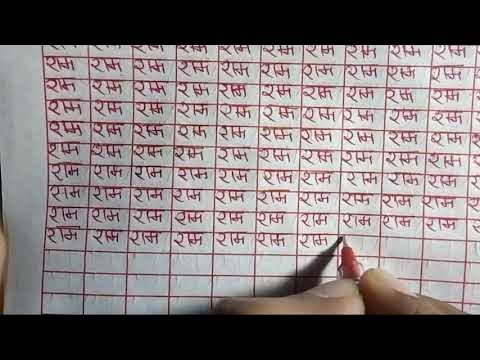
In contrast, spiritual practices such as chanting the divine name and mindful living provide lasting happiness. This is the shift from temporary pleasure to true inner peace—a key message of Buddha Purnima.

The Path to Lasting Peace: The Noble Eightfold Path
If worldly pleasures are temporary, what is the path to lasting happiness?
Lord Buddha answered this through the Noble Eightfold Path, a practical guide to achieving freedom from suffering and cultivating inner peace:
- Right View – Understanding life’s deeper truths
- Right Intention – Developing compassion and clarity
- Right Speech – Speaking truthfully and kindly
- Right Action – Living with integrity and non-violence
- Right Livelihood – Choosing ethical means of earning
- Right Effort – Continuously improving the mind
- Right Mindfulness – Staying aware in the present moment
- Right Concentration – Cultivating deep focus through meditation
These principles are not meant to be read—they are meant to be lived. As we practice them, we naturally develop calmness, clarity, and a deeper sense of fulfillment.
Where Does Our Time Go?
Prernamurti Shriji points out that - ‘A large part of our day is often spent in gossip, criticism, or distractions that add little value to our lives. Over time, this drains our energy and disturbs our peace’.
One of the most practical Buddha Purnima teachings is to become conscious of how we use our time.
Instead of complaining or criticizing, we can shift toward appreciation. When we begin to value what we already have— our health, our abilities, and our opportunities ; life starts to feel abundant.
Gratitude begins where comparison ends.

The Inspiring Story of the Grateful Monk
A profound story from Buddha’s life beautifully captures the essence of gratitude.
Once, a monk was sent to a village to collect alms. Instead of kindness, he faced harsh rejection. The villagers insulted him, attacked him, and left him severely injured—his hand and leg broken, his body bleeding.
Yet, when he returned, his heart was filled with gratitude.
He said 3 things:
- “I am grateful that only my hand is broken; my shoulders are still strong.”
- “I am thankful that I can still walk, even with pain.”
- “Most importantly, I am blessed that I can still see you, my Master.”
This story reflects the true power of an attitude of gratitude. The monk did not deny his suffering—he simply chose to focus on what remained instead of what was lost.

The Power of Gratitude in Daily Life
Gratitude is not dependent on perfect circumstances—it is a conscious inner choice.
When we begin to thank God for small things—a simple meal, a healthy body, a peaceful moment—we shift from scarcity to abundance.
These Buddha Purnima teachings remind us that even in difficulty, there is always something to be thankful for.
Over time, this mindset transforms:
● Stress into acceptance
● Complaints into contentment
● Restlessness into inner peace
Chanting: A Simple Path to Inner Peace
Along with gratitude, chanting the divine name plays a powerful role in calming the mind.
While external happiness is unstable, spiritual remembrance creates a steady inner foundation. It helps us detach from negativity and connect with a deeper sense of joy.
Chanting and gratitude together form a complete spiritual practice—one that leads to lasting happiness and peace.

Conclusion: Living Buddha Purnima Every Day
Buddha Purnima is not just a festival—it is a way of living.
Through the Noble Eightfold Path, mindful choices, and an attitude of gratitude, we can transform how we experience life.
The story of the grateful monk teaches us a simple yet profound truth:
Peace is not found in perfect situations—it is found in a grateful heart.
This Buddha Purnima 2026, let us make a conscious choice:
To appreciate more, complain less, and walk the path of awareness, gratitude, and inner peace.


Comments
Post a Comment