The Greatness of Revā (Narmadā): A Sacred Story from the Skanda Purana
In the Revā-khaṇḍa of the Skanda Purana, the story of the sacred river Revā—known today as Narmadā—unfolds through a series of profound dialogues among sages and kings.
The narrative begins during a great sacrificial assembly conducted by King Janamejaya. Surrounded by learned sages, he asks the wise Vaishampayana to recount the pilgrimages of his forefathers, the Pandavas. After their exile began with the fateful game of dice, the Pandavas wandered across the land visiting sacred tīrthas in search of spiritual strength.
During these travels they reached the Vindhya region, where they discovered a serene hermitage filled with flowering trees, lotus-covered ponds, birds, and peaceful wildlife. In that sacred place they met the immortal sage Markandeya, surrounded by ascetics devoted to meditation, japa, and sacred rituals.
Curious about the mysteries of cosmic time, Yudhishthira asked the sage an unusual question: when the universe dissolves at the end of a cosmic cycle, which rivers survive?
Markandeya explained that many holy rivers—such as Ganga, Yamuna, and Godavari—disappear at the end of each kalpa. Yet one river alone endures through these vast cycles of creation and dissolution: the sacred Revā. For this reason, the river Narmadā is praised in the scriptures as eternal, flowing across ages while the worlds themselves rise and fade.
### Boons to Narmadā: The Birth of the Dakṣiṇa Gaṅgā
The sage then narrated the origin of this extraordinary river.
During a period of intense penance, Lord Shiva performed severe austerities upon a mountain for the welfare of all worlds. From the drops of perspiration that flowed from his body emerged a divine river. Later she appeared in the form of a radiant maiden and undertook her own long austerities to please the great lord.
When Shiva finally granted her a boon, the maiden made several profound requests. She wished to remain imperishable even during pralaya—the cosmic dissolution when mountains, oceans, and rivers disappear. She prayed that anyone who bathed in her waters with devotion would be freed from sins. She also desired to be revered like the sacred Ganga, becoming the purifier of the southern lands.
Shiva accepted her devotion and granted these boons. He declared that she would be known as the Dakṣiṇa Gaṅgā, the southern counterpart of the Ganges. He also promised that he and the gods would dwell upon her banks and that even remembering her sacred names would bring spiritual merit.
Thus the river Narmadā became one of the most revered rivers of the Hindu tradition.

Why the River Is Called Narmadā
Another beautiful legend explains how the river received her name.
According to the Purāṇic narrative, the maiden born from Shiva’s divine energy possessed extraordinary beauty. When the gods and demons saw her, they were captivated and tried to claim her. But the maiden moved swiftly and mysteriously, appearing near them one moment and far away the next.
For a long time the Devas and Asuras chased her across the worlds, yet none could reach her. Watching this playful spectacle, Lord Shiva laughed at the divine game.
Because the maiden delighted everyone with her playful charm and wit, Shiva named her Narmadā—a word derived from narma, meaning joy, delight, or gentle humor, and dā, meaning giver.
From that moment the radiant maiden flowed forth as the sacred river Narmadā, descending from the mountains and eventually meeting the ocean, carrying with her the blessings of Mahādeva.
And so, in the ancient telling of the Skanda Purana, the river Revā is remembered not only as a sacred stream of water but as a living embodiment of divine grace flowing through the ages.

Uttarvahini Panchkoshi Narmada Parikrama
A Sacred Chaitra Pilgrimage on the Banks of Maa Narmada
The Uttarvahini Panchkoshi Narmada Parikrama at Rampura Ghat is one of the most revered annual pilgrimages performed along the sacred banks of the Narmada River in Gujarat’s Narmada district.
Every year, during the sacred Hindu month of Chaitra, inspired by Prernamurti Bharti Shriji, Shri Leela Gaudham organises the Uttarvahini Panchkoshi Parikrama. By divine grace, this Parikrama has been performed consistently for the past three years. This year, it will be held on 21st March 2026
Hundreds of devotees would gather at Shri Leela Gaudham to participate in this spiritually uplifting pilgrimage.
What is the Uttarvahini Panchkoshi Narmada Parikrama?
The Panchkoshi Parikrama refers to the circumambulation of a sacred region measuring five kos, an ancient Indian unit of distance. In modern terms, this pilgrimage route covers approximately 21 kilometers around the holy stretch of the river.

What is Uttarvahini?
Normally, the Narmada River flows westward toward the Arabian Sea. However, at certain rare locations such as Rampura Ghat, the river briefly turns northward. Such a stretch of river is called “Uttarvahini” (north-flowing) and is considered exceptionally auspicious. In many scriptures, a north-flowing sacred river is believed to carry heightened spiritual power because it symbolically flows toward the divine realm.
Spiritual Significance of the Uttarvahini Stretch
At Rampura Ghat, Maa Narmada turns northward — a rare and spiritually powerful occurrence. Devotees believe that when the river flows north, it carries a heightened divine vibration comparable to the sanctity of major tirthas.
According to traditional beliefs preserved in texts such as the Reva Khanda of the Skanda Purana, circumambulating the Narmada is considered an act of deep spiritual merit. Since the river is regarded as a living manifestation of Lord Shiva, performing parikrama around her is symbolically similar to performing pradakshina of Shiva himself.
Pilgrims believe that completing the Panchkoshi Parikrama at an Uttarvahini stretch can bring the following spiritual benefits:
● It helps cleanse accumulated karmic impurities.
● It brings mental peace and spiritual clarity.
● It strengthens devotion toward Shiva and Narmada Mata.
● It grants the merit equivalent to visiting many sacred tirthas.
Because the distance is short yet sacred, the Panchkoshi Parikrama is often described as a miniature form of the grand Narmada Parikrama
Why Rampura Ghat is Ideal for the Panchkoshi Parikrama
Rampura Ghat holds a special place among Uttarvahini pilgrimage sites in Gujarat for several reasons:
- The Narmada clearly flows northward at this location.
- A traditional Panchkoshi Parikrama route is recognized and followed by pilgrims.
- The site is easily accessible from nearby towns such as Rajpipla and Bharuch.
- The parikrama continues to be conducted annually with discipline and devotion.
Rules to Follow During the Panchkoshi Parikrama
Devotees traditionally follow certain guidelines while performing the parikrama:
- Keep Maa Narmada on the right side while walking.
- Avoid leather items.
- Maintain satvik conduct and discipline.
- Chant sacred mantras such as “ॐ नमः शिवाय” or “नर्मदे हर”.
These practices help preserve the sanctity and spiritual focus of the pilgrimage.
Important Tips for Pilgrims
Those planning to participate in the parikrama should keep a few practical points in mind:
- Arrive early to Shri Leela Gaudham, Shrijidhara. From here Yatra would commence.
- Carry drinking water, a cap, and essential medicines.
- Follow local guidance and parikrama routes.
- Avoid plastic and help maintain cleanliness along the riverbanks
- Observe moun (silence) as much as possible.
Seva, Sankalp, and Sacred Traditions
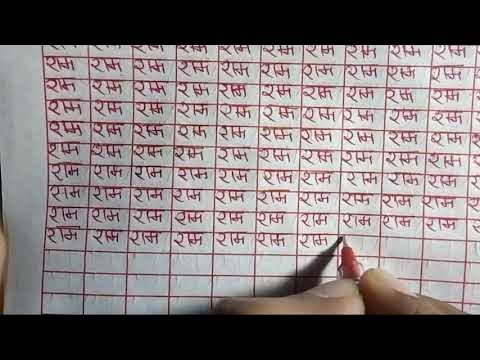
● Guided by Shriji’s emphasis on seva, spiritual booklets like Ekadashi Mahima and Ram Naam Lekhan are distributed during the Parikrama.
● The yatra follows strict disciplines—taking a sankalp, carrying Narmada jal, not turning back, not crossing Maa Narmada, and avoiding free food, as it may reduce one’s punya. It is a sacred journey, not a picnic.
Who Should Perform This Parikrama?
The Uttarvahini Panchkoshi Narmada Parikrama is especially suitable for:
- Devotees who can walk on foot.
- Families traveling together
- First-time pilgrims
- Devotees who are unable to undertake the full Narmada Parikrama
Though shorter in distance, the Panchkoshi Parikrama offers a powerful spiritual experience and allows devotees to connect deeply with the divine flow of Maa Narmada.
Narmade Har!


Comments
Post a Comment